
FY 2025
Annual Report
.jpg)
Our mission is to conserve and restore the natural and cultural resources of the Chesapeake Bay watershed for the enjoyment, education and inspiration of this and future generations.
Our Vision
Our Vision
Our Vision
We believe the Chesapeake is a national treasure that should be healthy, accessible to everyone and its watershed a place where people and wildlife thrive.
Our Mission
Our Mission
Our Mission
To conserve and restore the natural and cultural resources of the Chesapeake Bay watershed for the enjoyment, education and inspiration of this and future generations.
We serve as a catalyst for change, advancing strong public and private partnerships, developing and using new technology and empowering environmental stewardship.
Our objective is to accelerate progress to conserve 30% of the Chesapeake watershed by 2030 by equitably connecting people to the Chesapeake while conserving and restoring priority lands and waters.
Our Community Commitment
Our Commitment to the Communities We Serve
Our Commitment to the Communities We Serve
Chesapeake Conservancy recognizes that protecting and restoring the resources of the Chesapeake Bay watershed requires a commitment to engage and work with the broad range of communities we serve.
Through our work, we celebrate the people and places that shape the region. We are dedicated to protecting human health and the environment, fostering partnerships and ensuring the opportunity to enjoy and benefit from a healthy Chesapeake Bay watershed.
By upholding these values, we can work together toward a future where people and wildlife thrive in the Chesapeake Bay watershed.
What we do
Chesapeake Conservancy is the only watershed-wide organization focused on both land conservation and stream restoration to achieve a healthier Chesapeake Bay. We’re using and sharing the latest groundbreaking data and technology, including artificial intelligence, to determine where to focus conservation efforts to have the greatest impact with the most efficient use of resources.

Conserve Land
Conserving 30% of the Chesapeake’s lands and waters by 2030 is critical for climate resilience, biodiversity and water quality. We also strive to make these conserved lands publicly accessible.

Restore Streams
Restoring the Bay’s 100,000 small tributaries is key to restoring the Chesapeake watershed. Our data-driven and partnership approach creates a healthier environment upstream for a healthier Chesapeake Bay downstream.

Empower with Data
Using cutting-edge technology, our Conservation Innovation Center empowers the Chesapeake restoration movement to practice data-driven precision conservation—getting the right practices in the right places at the right scale.
Organizational Achievements Since Our Founding
Chesapeake Conservancy remains an active member in a strong coalition of partners committed to protecting the integrity of the federal Land and Water Conservation Fund (LWCF) and using these funds to advance land conservation in the Chesapeake Bay watershed. Between fiscal years 2015-and 2024, partners secured over $45 million in LWCF funds to conserve more than 10,000 acres. In FY2025, Congress appropriated over $3 million to conserve an additional 900 acres but allocation of these funds was delayed beyond the start of FY2026. The 2025 appropriation included $1 million, to be combined with a previous allocation of $1.25 million for a total of $2.25 million.
Established the Conservation Innovation Center to empower the conservation community with access to the latest data and technology
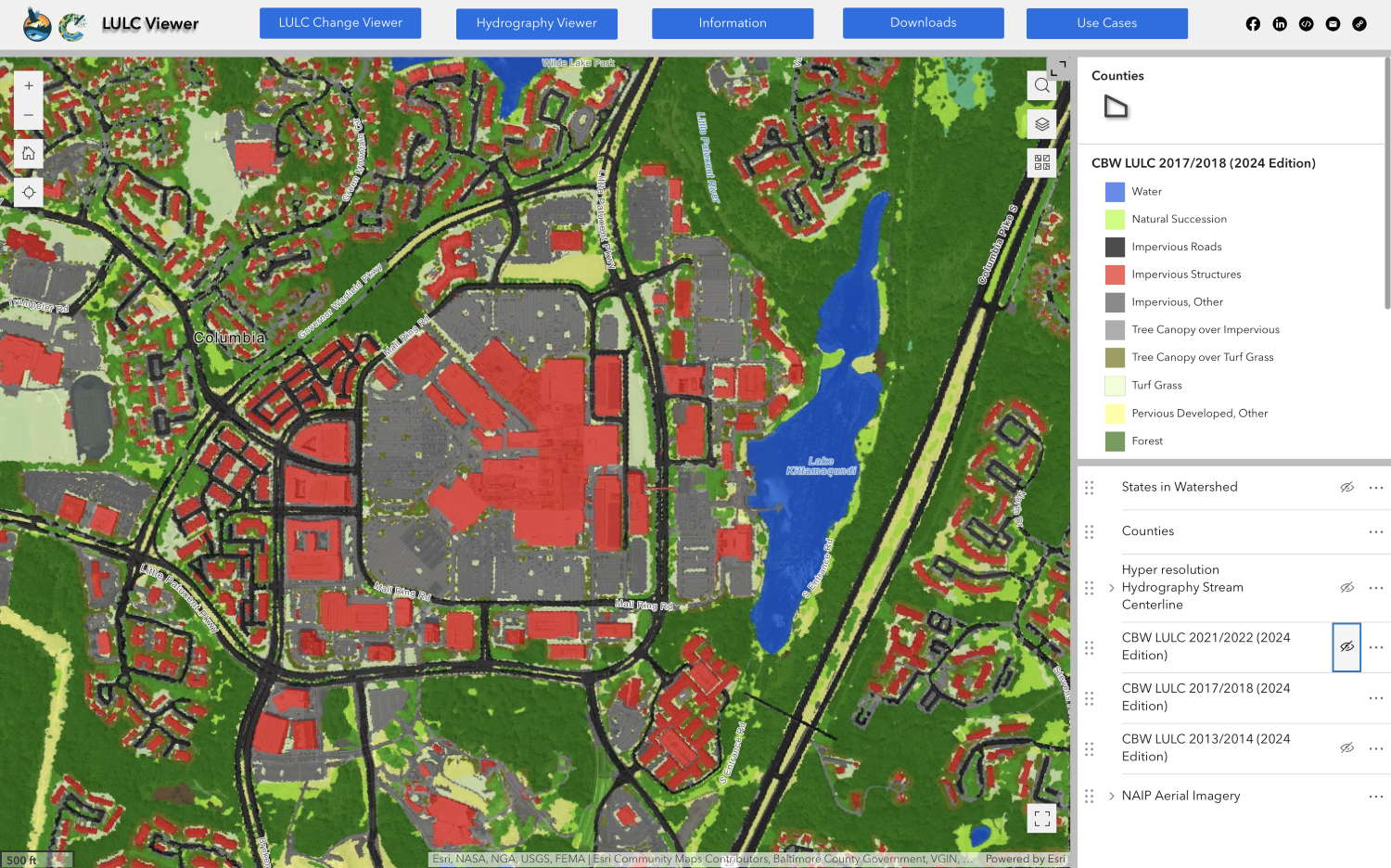
In 2016, Chesapeake Conservancy’s team of geospatial analysts worked with partners to produce1-meter-resolution land cover data for approximately 100,000 square miles of land in and surrounding the Chesapeake Bay watershed for the Chesapeake Bay Program. This data remains open for all land conservation entities, large or small, to use to implement precision conservation.
In 2022, for the first time, high-resolution change data became available for the Chesapeake as open data. This allows us to better understand what’s happening on the landscape and to do change detection and trend analysis.
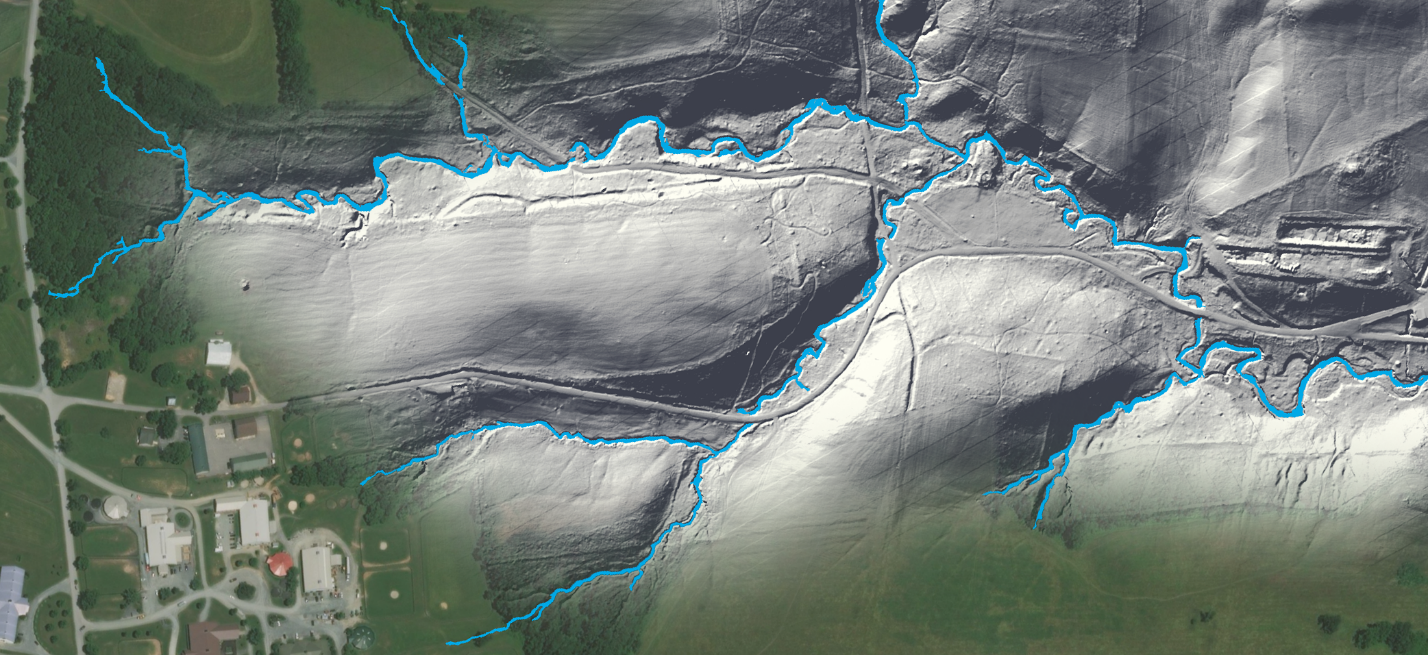
In 2025, we partnered to release an update in the High-Resolution Land Use/Land Cover Data and Change Data and for the first time released Hyper-Resolution Hydrography Data that precisely identify the location, dimensions and connectivity of streams, ditches and other waterways. Our Conservation Innovation Center continues to create tools for our partners to command the data and drive impressive change on the ground.
Click through our Anniversary Booklet


Your Support in Action
When you give, you help protect the Chesapeake we all care about—today and for generations to come.
More than 18 million people live in the Chesapeake Bay watershed. It is home to forests, farms, rivers, cities and small towns that shape our daily lives. Yet each year, thousands of acres of open space are lost to development. Once these places are gone, we cannot get them back. And too often, the communities most vulnerable to flooding and pollution feel those losses first.
Your support helps us act before that happens.
Because of you, we are able to:
- Protect vital lands that safeguard clean water and preserve open space across the watershed.
- Restore streams that reduce pollution and flooding, helping communities become more resilient.
- Deliver groundbreaking conservation data, including the most detailed inventory of the Bay’s streams ever produced—more than doubling mapped channel miles from approximately 150,000 to nearly 350,000—so restoration can be targeted with greater precision and efficiency.
- Advance high-resolution land use and land cover mapping across the entire watershed, providing critical insight into how land is managed and changing over time—so conservation investments can achieve the greatest impact.
Support from individuals, families, foundations, corporations and community partners fuels this work. It gives us the flexibility to move quickly when important land becomes available, leverage public funding with matching dollars and continuously improve how conservation decisions are made.
For some supporters, this commitment extends far into the future. One supporter shared:
“Chesapeake Conservancy's work at all levels ensures the protection of places in the Chesapeake that I love, which is why I made a charitable bequest to the Conservancy in my estate planning.”
– Rick Scobey
Learn more about making a planned gift through your estate.
With your continued partnership, we will keep advancing innovative, science-based solutions and protecting the landscapes and waterways that sustain all of us.
Thank you for helping ensure the Chesapeake remains a place where people of all backgrounds can live, work and enjoy the outdoors for generations to come.
Chesapeake Conservancy is a 501(c)(3) nonprofit organization. Contributions are tax deductible as allowed by law. Tax ID 26-2271377.

October 1, 2022 – September 30, 2023


Testimonials
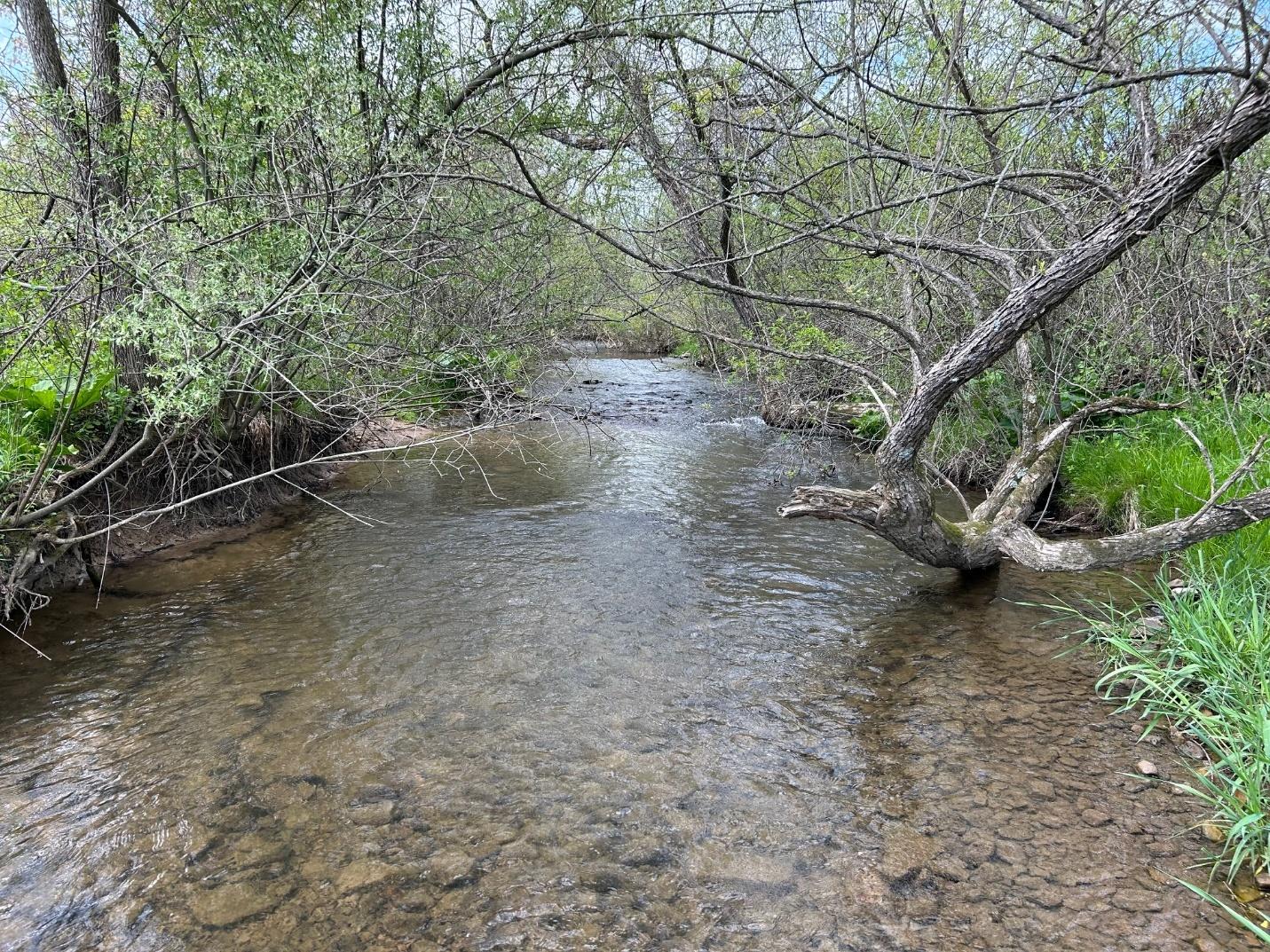
“High-resolution land use and land cover data and hyper-resolution hydrography data are foundational, authoritative and game changing to environmental restoration and conservation.”
- Peter Claggett, research geographer with the U.S. Geological Survey and lead, Chesapeake Bay Program Land Data Team
(Source Chesapeake Bay Program Press Release, June 26, 2025)
Virtual Connections
Webcams
We are grateful for our partnerships with explore.org, the Crazy Osprey Lady, Corporate Office Properties Trust and the owner of the property where the great blue heron rookery is located for their generosity that makes these webcams possible. Millions of viewers from all over the world watched the cams in 2025.

Champions of the Chesapeake
Since 2014, Chesapeake Conservancy’s annual Champions of the Chesapeake awards have recognized individuals and organizations from across the region for exemplary leadership and dedication to protecting and restoring the Chesapeake’s natural systems and cultural resources.
In 2025, Chesapeake Conservancy proudly presented Champions of the Chesapeake awards to former National Park Service Director Robert G. “Bob” Stanton, Maryland conservation advocate Ann Holmes Jones and watershed stewardship leader Lysle S. Sherwin.

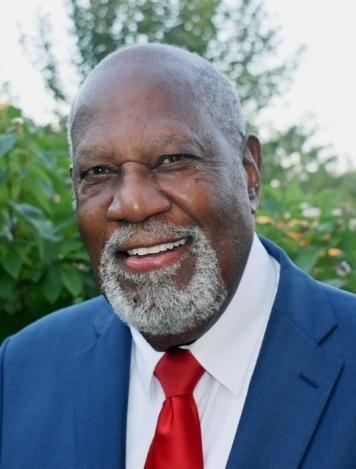
Robert G. “Bob” Stanton, 15th director of the National Park Service (1997-2001)

Ann Holmes Jones, conservation advocate
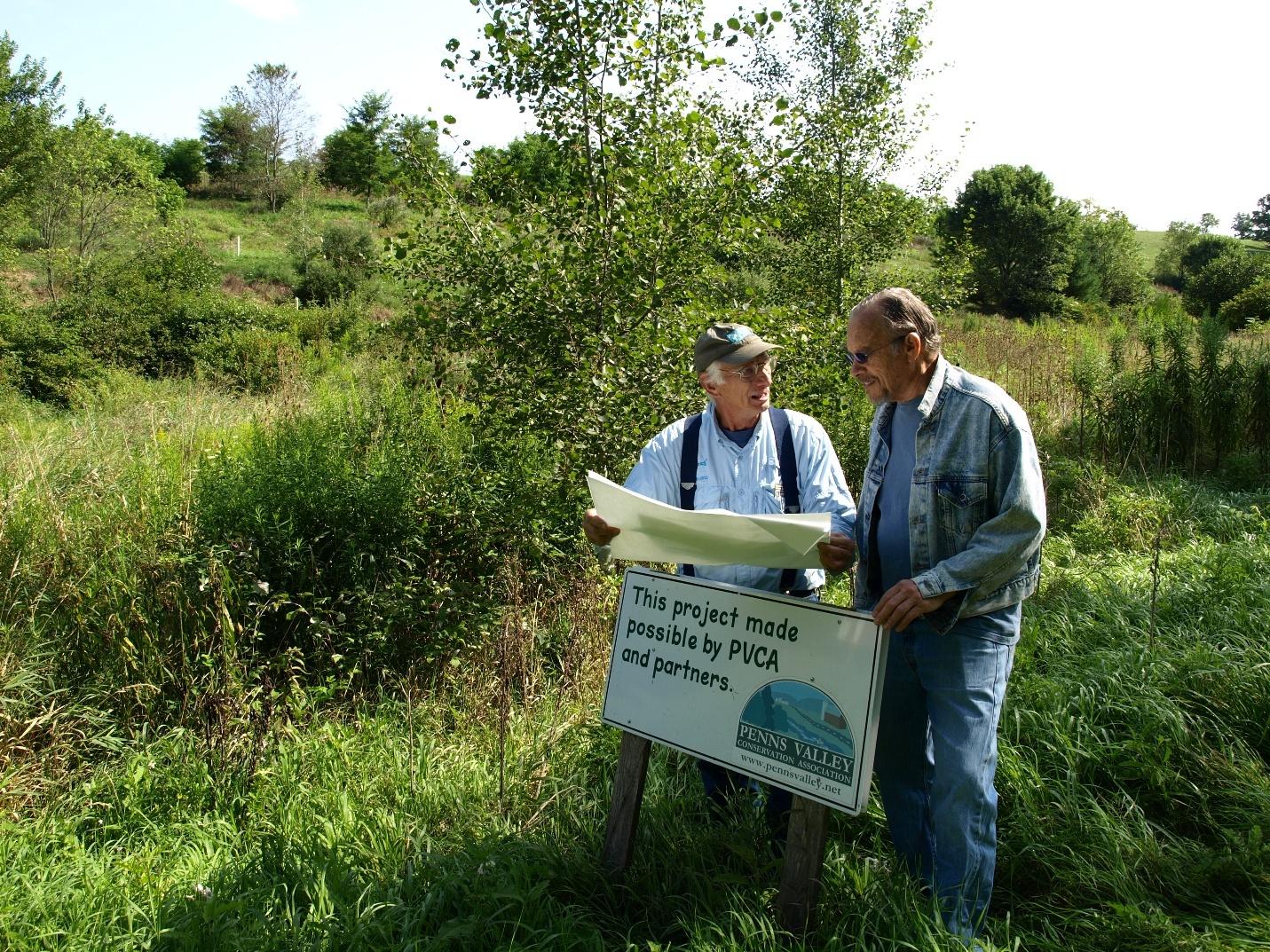
Lysle S. Sherwin, left, watershed stewardship leader
Financial Report
October 1, 2024 – September 30, 2025
Here’s how your investment in our work was spent.
This Year
Last Year
For more detailed information on our financials and governance, visit our website.


FY 2025
Board of Directors
FY 2025
Chesapeake Council
FY 2025
Chesapeake Conservancy Staff
Contact us
Chesapeake Conservancy is a nonprofit organization based in Annapolis, Maryland. We are conservation entrepreneurs. We believe that the Chesapeake is a national treasure that should be accessible for everyone and a place where wildlife can thrive. We use technology to enhance the pace and quality of conservation, and we help build parks, trails, and public access sites. Chesapeake Conservancy works in close partnership with Indigenous Tribes, the National Park Service, the U.S. Environmental Protection Agency, the U.S. Fish and Wildlife Service, the Bureau of Land Management Eastern States, as well as other federal, state and local agencies, private foundations and corporations to advance conservation.
Earl Conservation Center
1212 West Street
Annapolis, MD 21401
Additional Photo Credits
Cover image: Ian Plant
Board Chair: Courtesy Photo
Organizational Achievements: “Brown Pelican Rookery” Michael Weiss
Your Gift Today: “Kayaker” Yazan Hasan
High Resolution Land Use Land Cover Press Release Quote Feature: "Stream" Logan Stenger
Virtual Connections: “Peregrine Falcon” Peter Turcik
Champions of the Chesapeake: "Stanton," Courtesy Photo; "Jones," Wendy Foster; "Sherwin," Charles Fergus
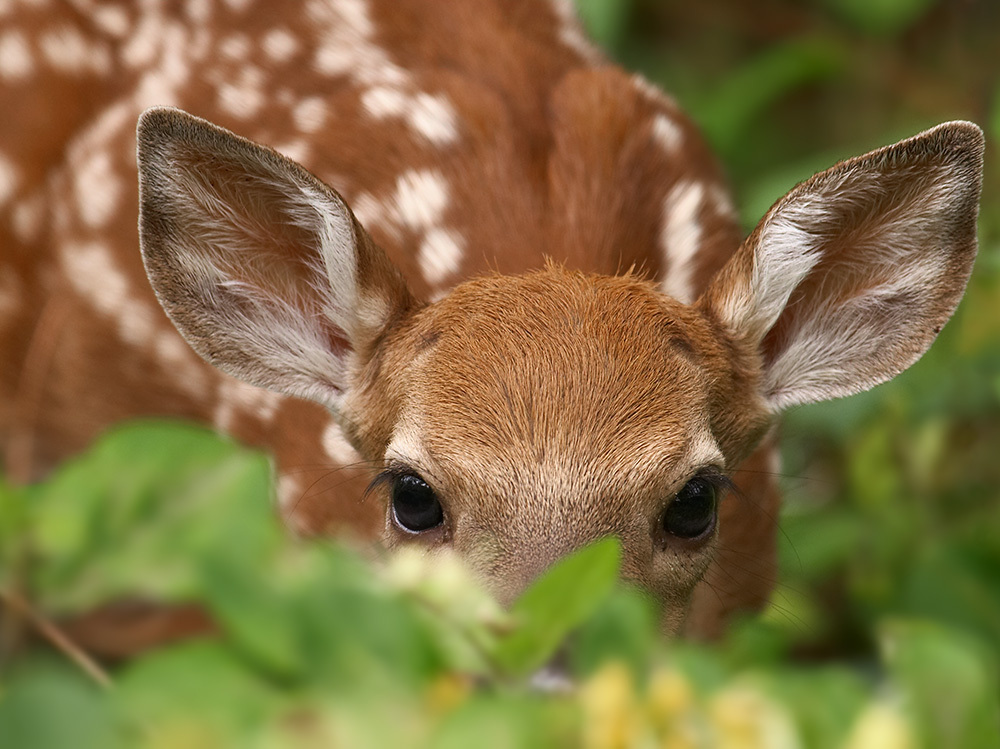
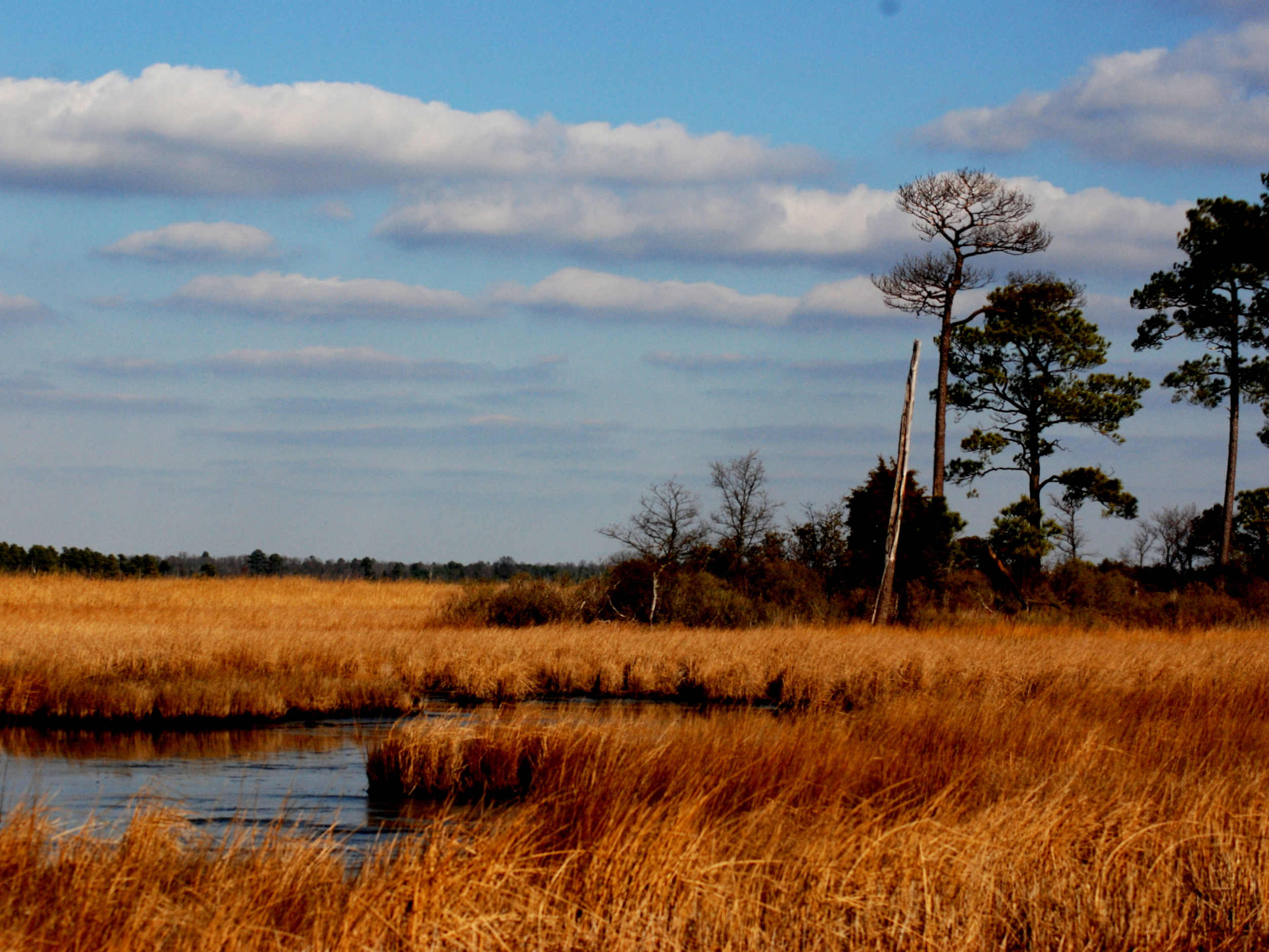
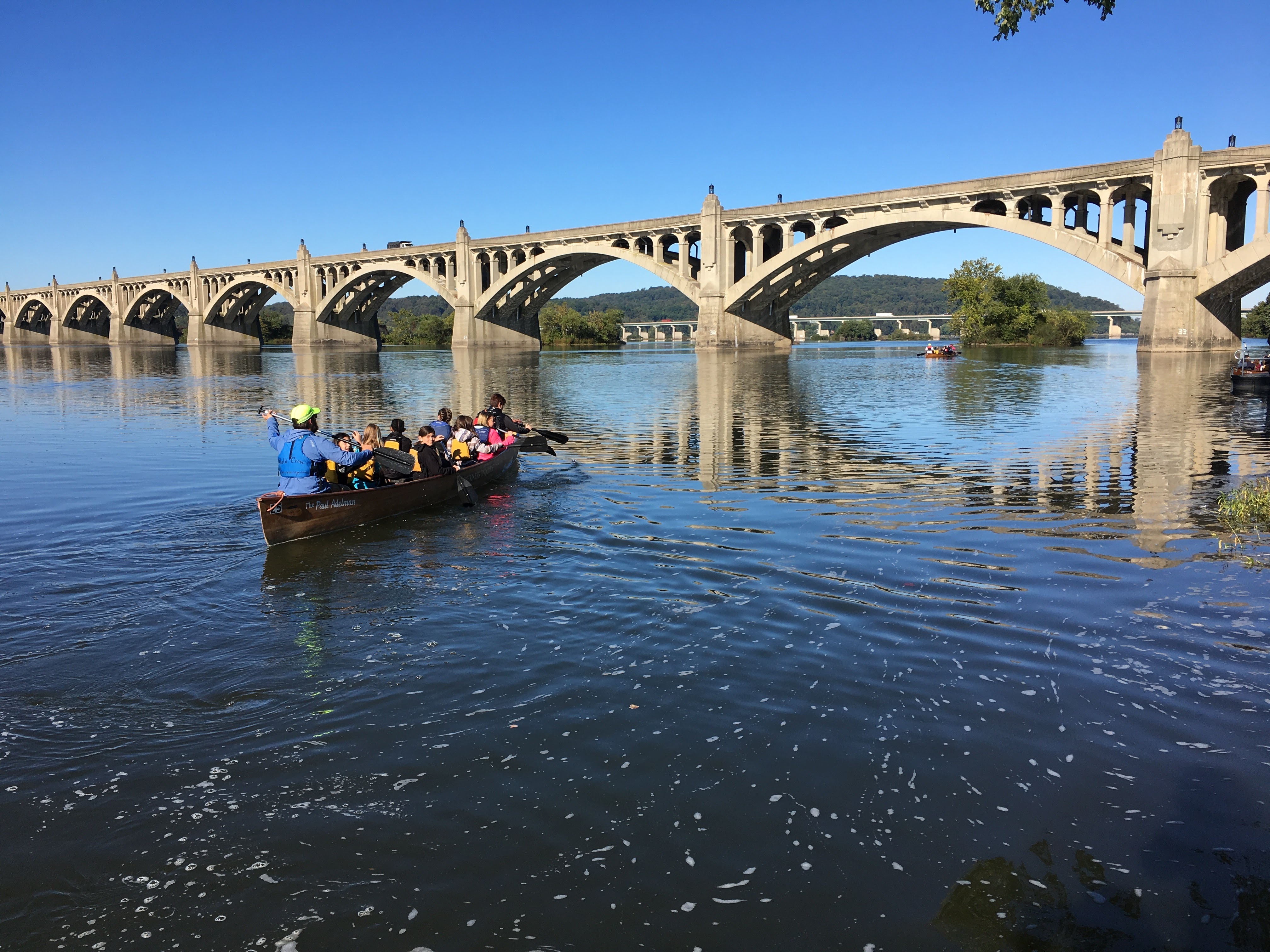
Closing Photo Montage (clockwise): "Fawn," Ian Plant; "Landscape," Craig Turner; "Susquehanna Canoe Trip," Kelsey Everett